
Design · Structure · Geometry · Craftsmanship
Architecture
Buildings tell stories. Structure reveals intention. Materials carry history. Light, perspective, geometry, and craftsmanship turn functional spaces into visual records.
Framing the Art of Structure
Function becomes form. Form becomes culture.
The Architecture collection reflects my fascination with design and structure. Buildings reveal history, culture, ambition, engineering, craftsmanship, and the ideas of the people who imagined them.
I pay close attention to light, perspective, symmetry, line, material, repetition, scale, and the relationship between a structure and the space surrounding it.
Sometimes the photograph begins with the grandeur of an entire facade. Other times, a small detail, an intersection of lines, or the texture of a material reveals more about the architecture than the whole building.
Structure
Facades, towers, bridges, interiors, supports, repetition, engineering, and constructed form.
Geometry
Lines, angles, symmetry, curves, grids, perspective, pattern, and spatial relationships.
Material
Glass, brick, concrete, steel, stone, wood, surface, weathering, and craftsmanship.
Light
Reflection, shadow, windows, changing daylight, contrast, depth, and the way illumination reshapes structure.
Recent Architecture Project
Skylines of New York
This series studies New York skyscrapers and city architecture through changing angles, lateral viewpoints, framing, upward perspective, line, repetition, and composition.
The city remains present, but the focus here is the architecture itself: how buildings meet the sky, how one structure interacts with another, and how density becomes visual design.
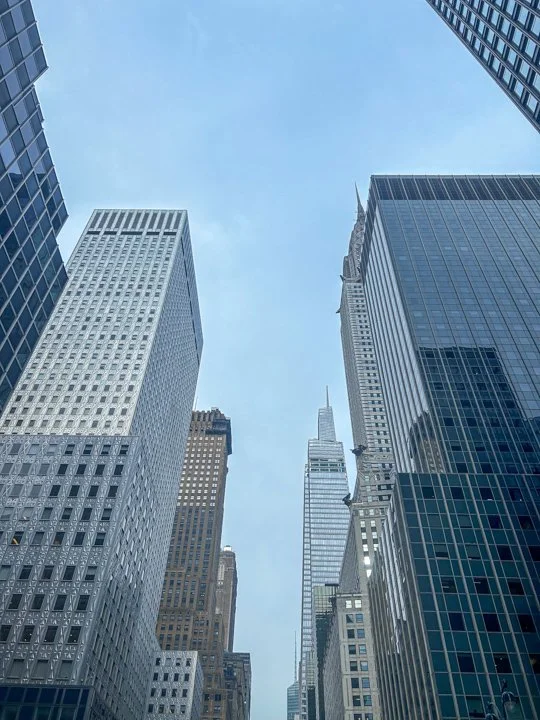
Structure, sky, vertical geometry, and the relationship between buildings in New York.
Reference: ZPG-VP-NYC-Skyline-2025--10-web-10.jpg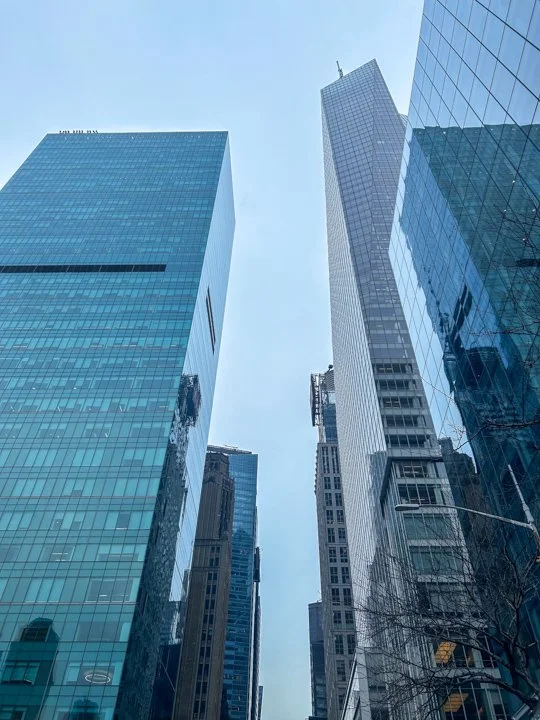
Built layers, scale, density, and architectural rhythm.
Reference: ZPG-VP-NYC-Skyline-2025--13-web-13.jpg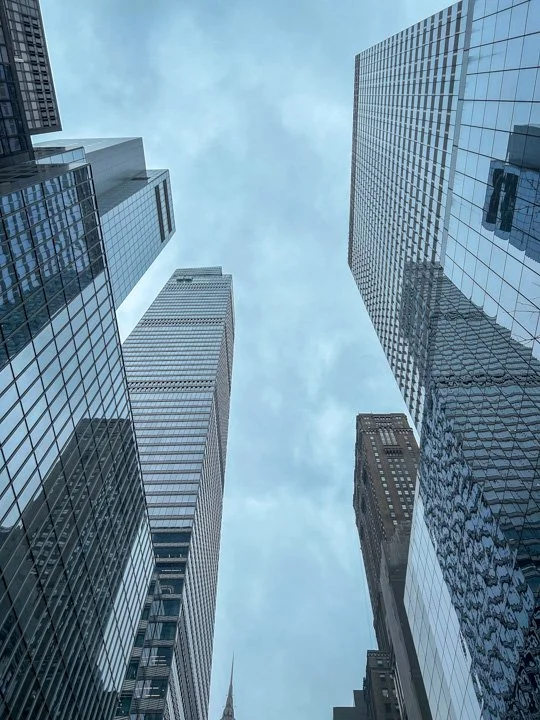
Perspective, scale, vertical movement, and constructed form.
Reference: ZPG-VP-NYC-Skyline-2025--07-web-07.jpg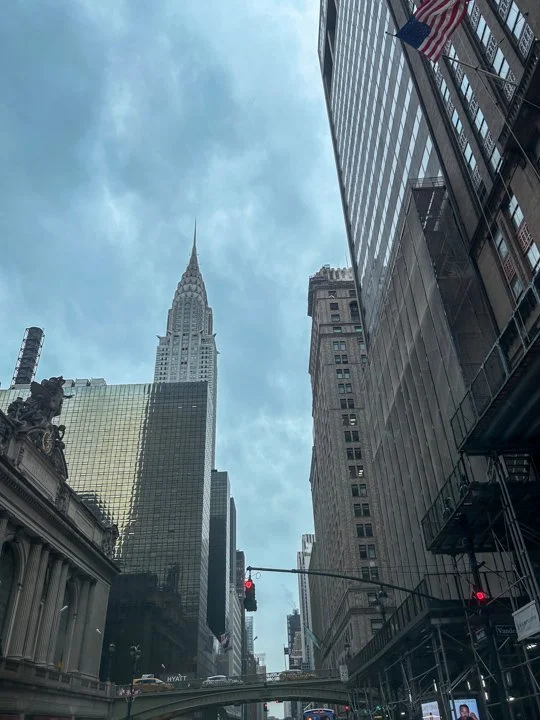
Line, repetition, facade, height, and urban geometry.
Reference: ZPG-VP-NYC-Skyline-2025--08-web-08.jpg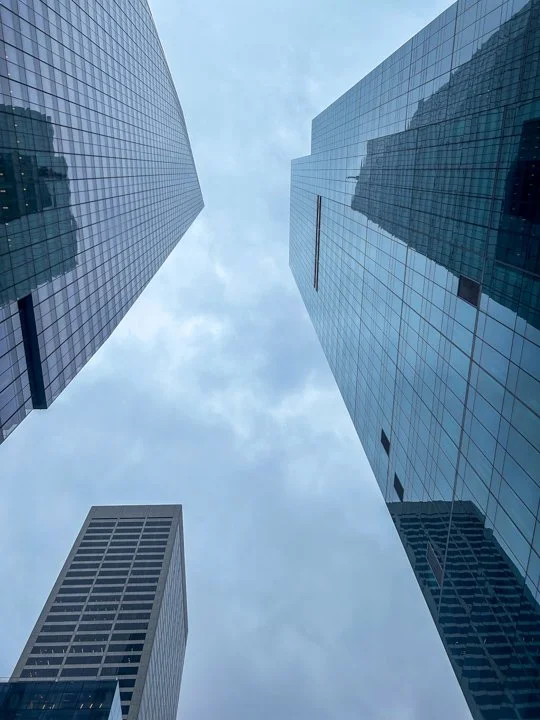
Urban density, building relationships, structure, and space.
Reference: ZPG-VP-NYC-Skyline-2025--05-web-05.jpg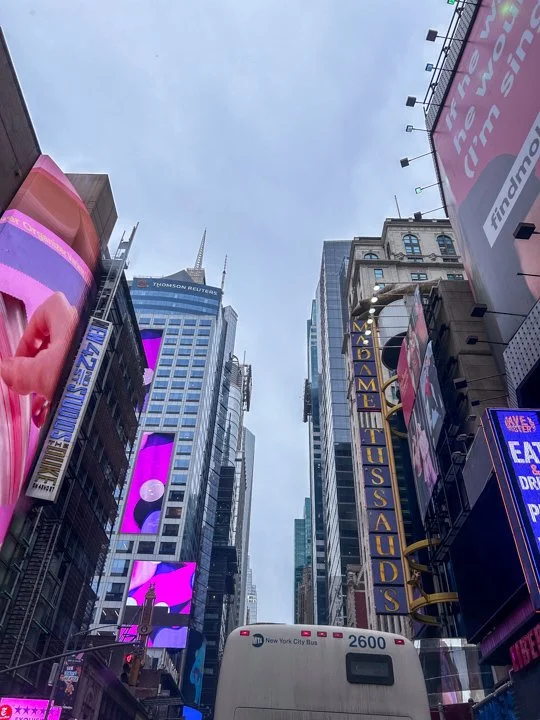
Height, structure, form, perspective, and the visual language of the New York skyline.
Reference: ZPG-VP-NYC-Skyline-2025--01-web-01.jpgNo photographs selected yet.
Architecture as Visual Art
A building can be functional and still carry the imagination, skill, values, and visual language of the people who created it.
Vertical, horizontal, curved, intersecting, repeated, and directional lines organize the visual frame.
Glass, steel, stone, concrete, brick, wood, texture, weathering, and surface.
Architecture changes how the body understands height, weight, distance, proportion, and space.
Buildings become records of technology, labor, aesthetics, economics, history, and human ambition.
Archive Clarity
A building can be an object, a place, and part of a city.
The difference is not whether a building appears in the photograph. The difference is what the viewer is being asked to notice.
Architecture
The design itself is the subject: form, geometry, material, engineering, detail, craftsmanship, visual rhythm, and architectural intention.
Living in the City
The larger urban environment becomes the subject: streets, transportation, neighborhoods, infrastructure, cityscape, density, and human traces.
Night Lights
Architecture can also appear when nighttime illumination, reflection, skyline, streets, and environmental atmosphere become the primary idea.
Published Architecture Story
Two Bridges, One City
The Brooklyn Bridge and Manhattan Bridge share one panoramic frame— two periods of engineering, one river, and a city built through layers of connection.
It is both a Various Places city story and an architectural study: infrastructure becoming history, function, design, and visual identity at the same time.
Art by Zire · Architecture Collection
Bring structure into your space.
Select one or more Architecture photographs above, then tell ZPG how you are considering displaying the work.
You do not need to know the exact material or final dimensions. Choose Recommend the Best Presentation and ZPG can recommend a presentation based on the photograph, its native proportions, and your wall.
Continue Through Interesting Things
Natural. Constructed. Imagined.
Architecture · Interesting Things · Art by Zire
Someone imagined it. Someone built it. The photograph preserves how it occupied the world.
Architecture changes as cities change. Buildings are renovated. Facades disappear. Skylines grow. Materials weather. Neighborhoods reorganize themselves around new structures.
The photograph becomes both visual study and historical evidence— preserving the design, material, scale, and presence of a structure at a particular moment in time.
Hello, World!