
BK Loves MJ: Brooklyn Remembers Michael Jackson in Public


BLINK NY · TWIHHP · ZPG Visual Archive Feature
BK Loves MJ: Brooklyn Remembers Michael Jackson in Public
Music, dance, visual art, DJ culture, family, public gathering, and collective memory turned remembrance into a distinctly Brooklyn experience.
The Project
The tribute was larger than the stage.
BK Loves MJ is a documentary photography project capturing Brooklyn’s public celebration of Michael Jackson through music, dance, visual art, community gathering, and collective memory.
The series looks beyond the idea of a tribute concert to document the larger cultural experience surrounding the event: the people who came together, the ways they expressed admiration, and how a global musical legacy became part of a distinctly Brooklyn story.
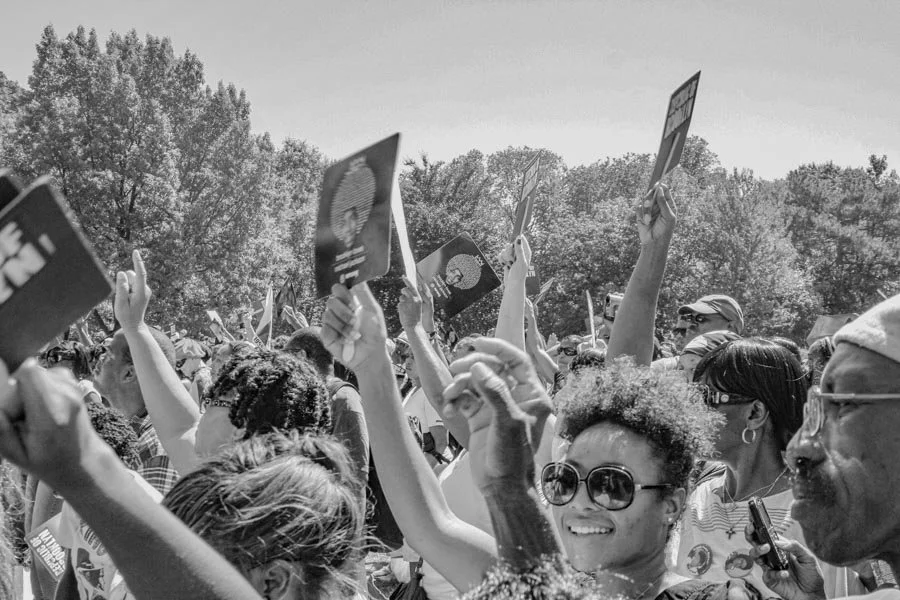
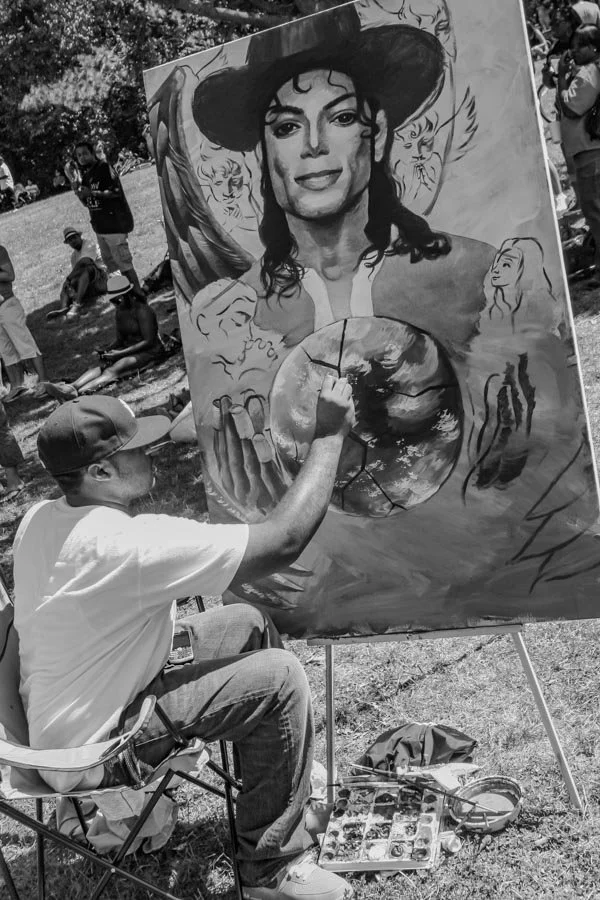
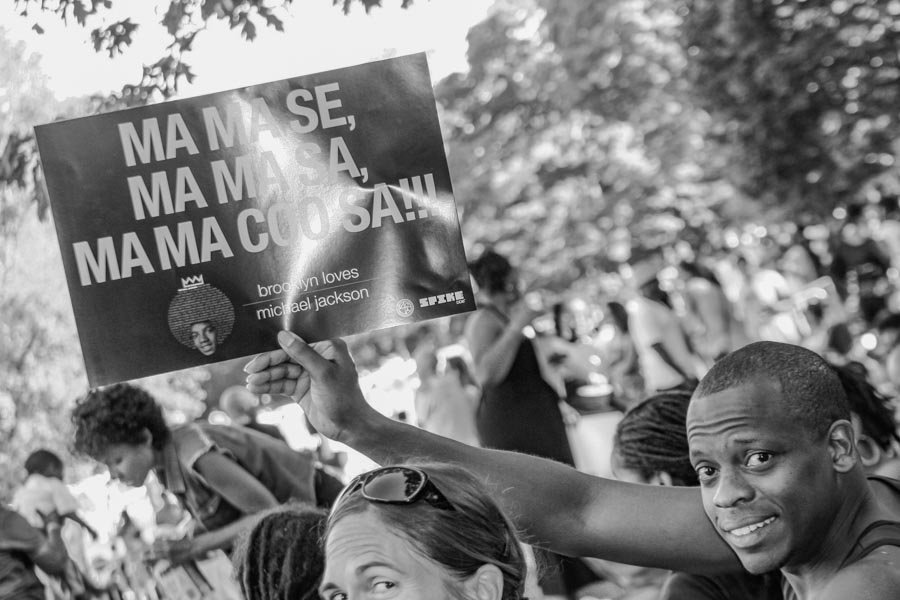
Throughout the gathering, Jackson’s influence appeared everywhere. Fans carried memorials, portraits, signs, messages, and visual references. People responded through movement, clothing, drawing, performance, photography, and shared music.
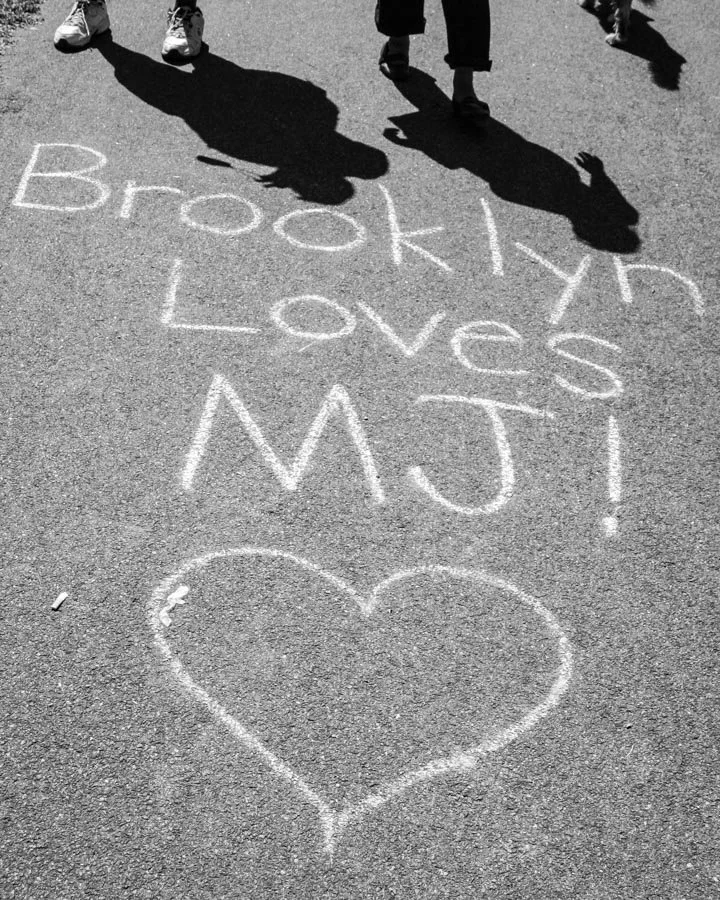
The pavement became part of the memorial. Lyrics became physical signs. Recorded music became public movement. Individual memories became collective participation.
The project is not built around celebrity alone.
The Crowd Was the Performance
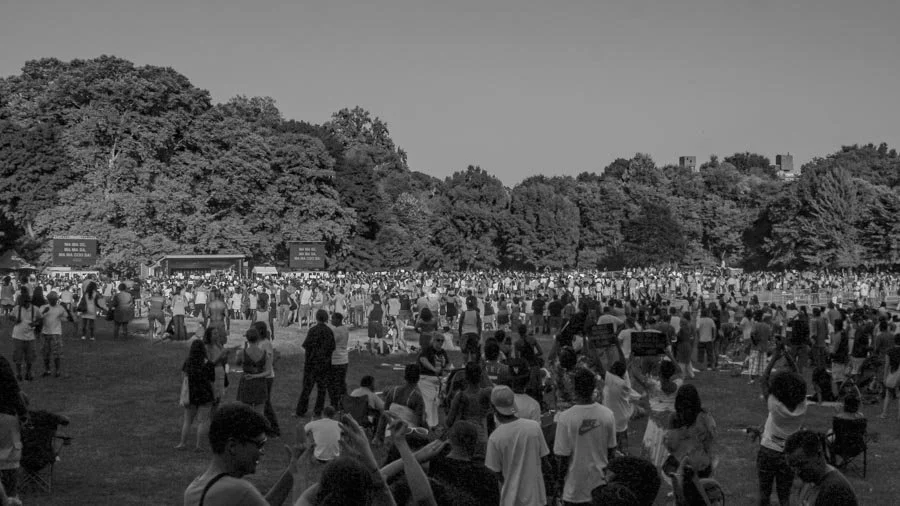
Thousands of bodies carried the songs together.

Children copied choreography. Adults remembered songs through their bodies. Strangers moved beside one another without needing an introduction.
The photographs repeatedly return to the audience because that is where the cultural inheritance becomes most visible.
The Visual Archive · I
Memory entered the public landscape.
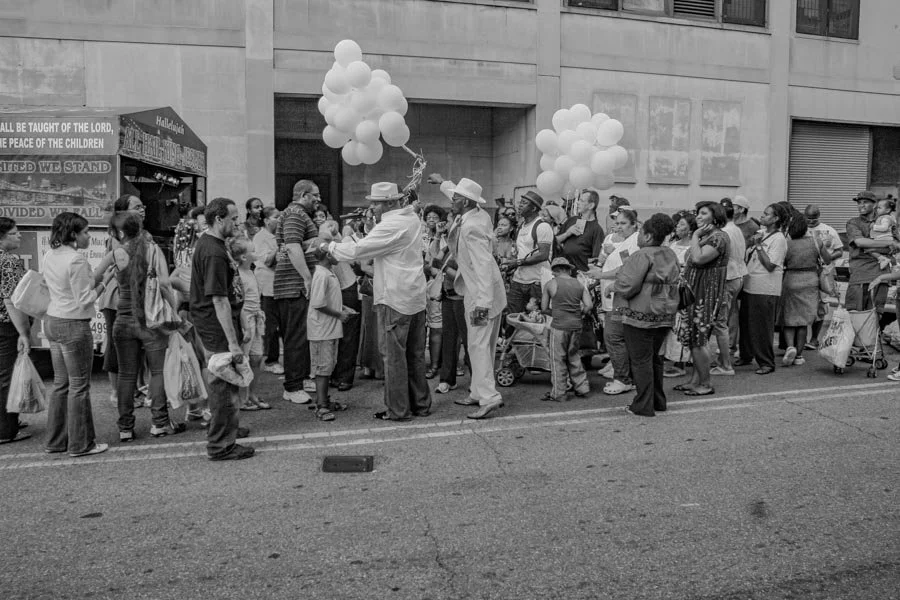
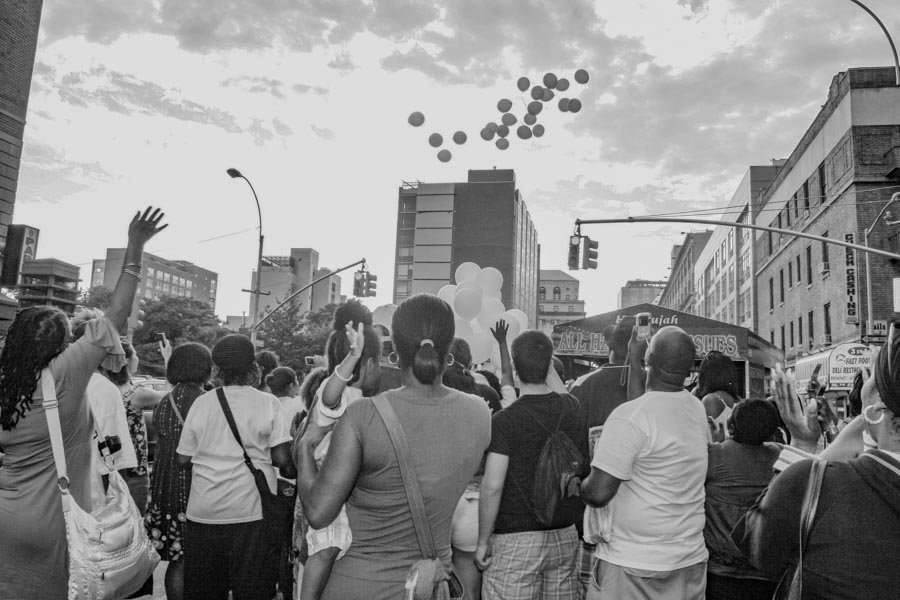
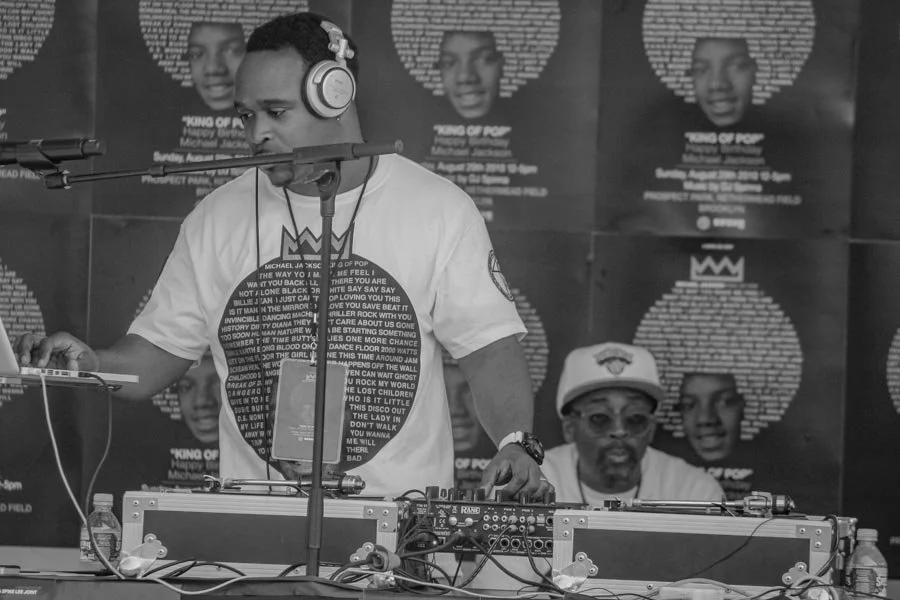
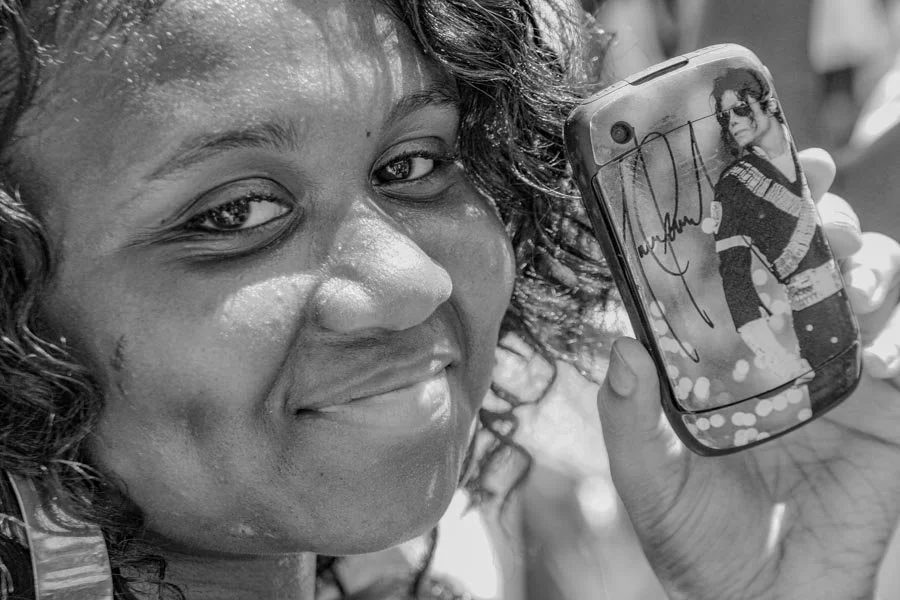
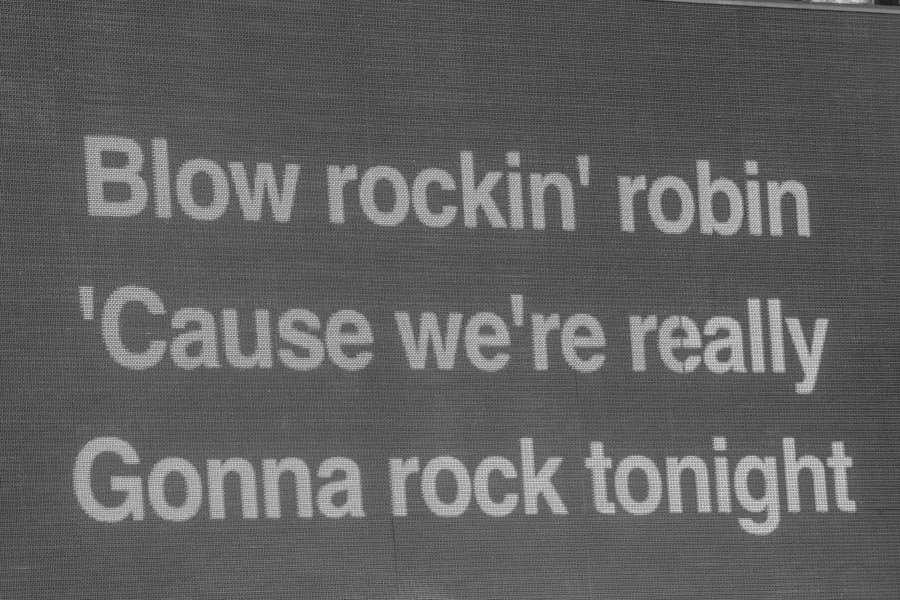
Balloons, screens, phones, paint, signs, DJs, and handmade gestures became different forms of public remembrance.
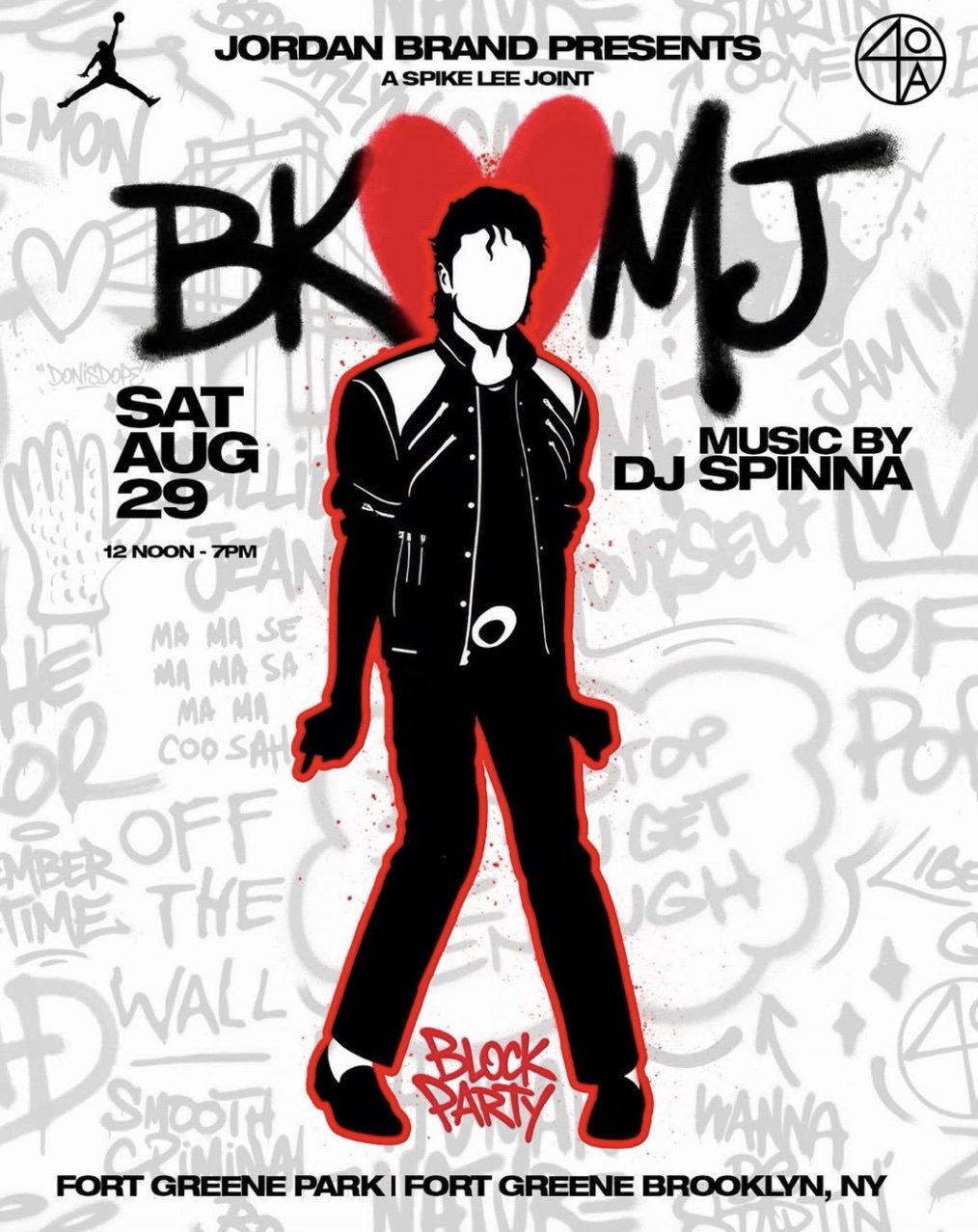
BK Loves MJ Returns to Brooklyn
Spike Lee brings BK Loves MJ back to Brooklyn.
Spike Lee has announced the return of his “BK Loves MJ” block party in celebration of Michael Jackson’s birthday.
Presented by Jordan Brand, the 2026 gathering will take place at Fort Greene Park in Brooklyn, with music by DJ Spinna. August 29 would have marked Michael Jackson’s 68th birthday.
Cultural Inheritance
The music was being passed forward in real time.
Some of the strongest photographs are not stage photographs at all. They are photographs of people inheriting culture from one another.

Michael Jackson’s music was not simply being remembered.
It was being danced to, remixed, painted, performed, carried, photographed, repeated, and passed forward.
Children experienced music that had shaped their parents’ and grandparents’ lives. Artists responded through their own creative language. Brooklyn turned remembrance into participation.
Cultural memory survives because somebody carries it forward.
Michael Jackson Inside Hip-Hop Culture
Music became conversation, selection, movement, and reinterpretation.
Michael Jackson’s work crossed pop, soul, R&B, dance, video, fashion, and global popular culture.
Hip-hop artists, DJs, dancers, and audiences sampled, referenced, remixed, studied, challenged, and reorganized that body of work.
At BK Loves MJ, DJ culture became part of the preservation method. Familiar songs returned through new sequences while dancers and audiences translated them again through movement.
That makes the event relevant to TWIHHP: not because Michael Jackson needs to be reduced to a hip-hop category, but because the gathering documents how hip-hop culture interacts with, reorganizes, and carries musical history.
The Visual Archive · II
The celebration moved between stage, crowd, family, and public ritual.
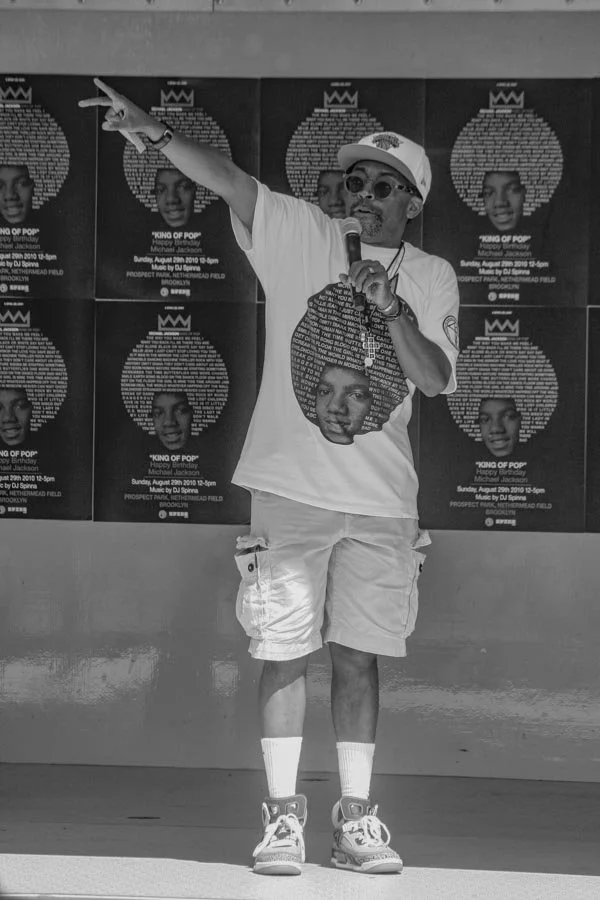
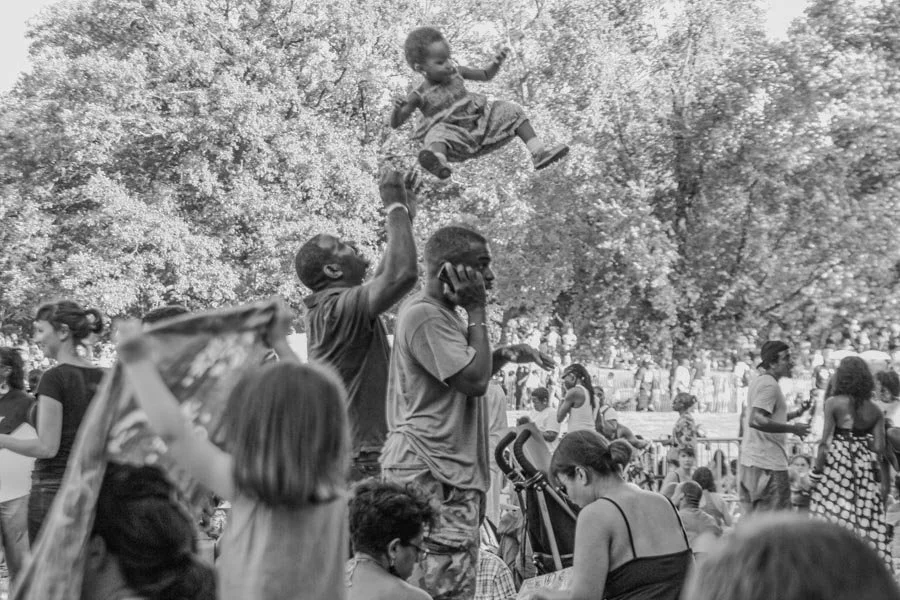
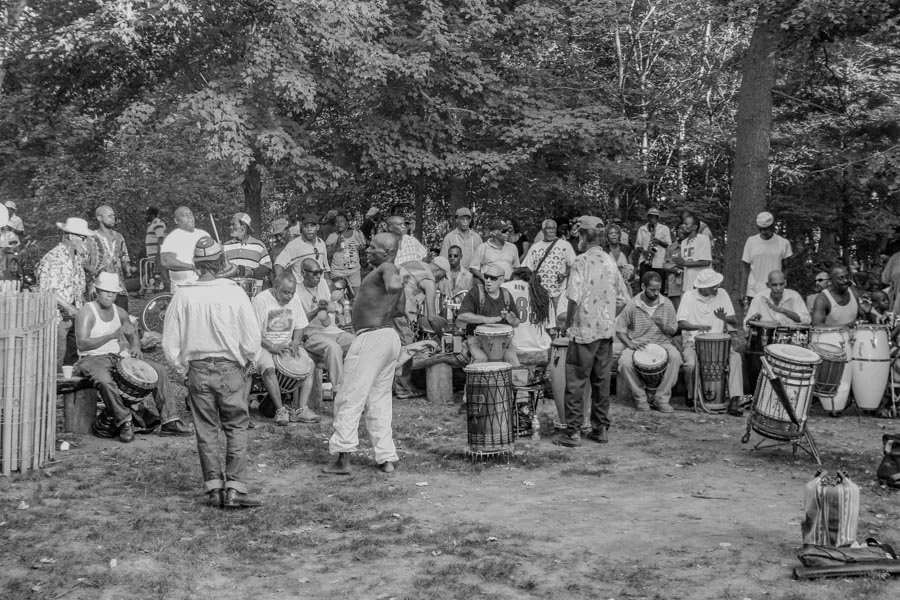
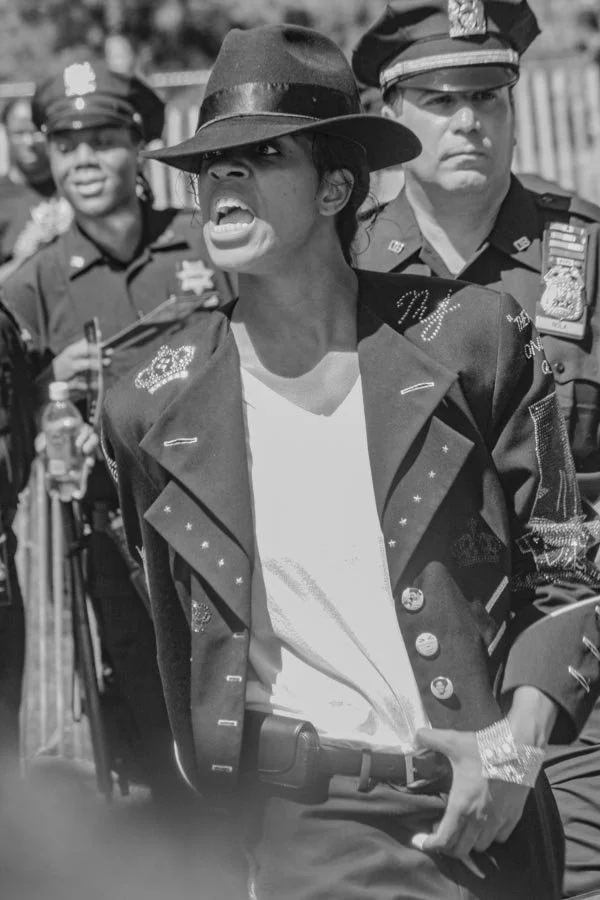
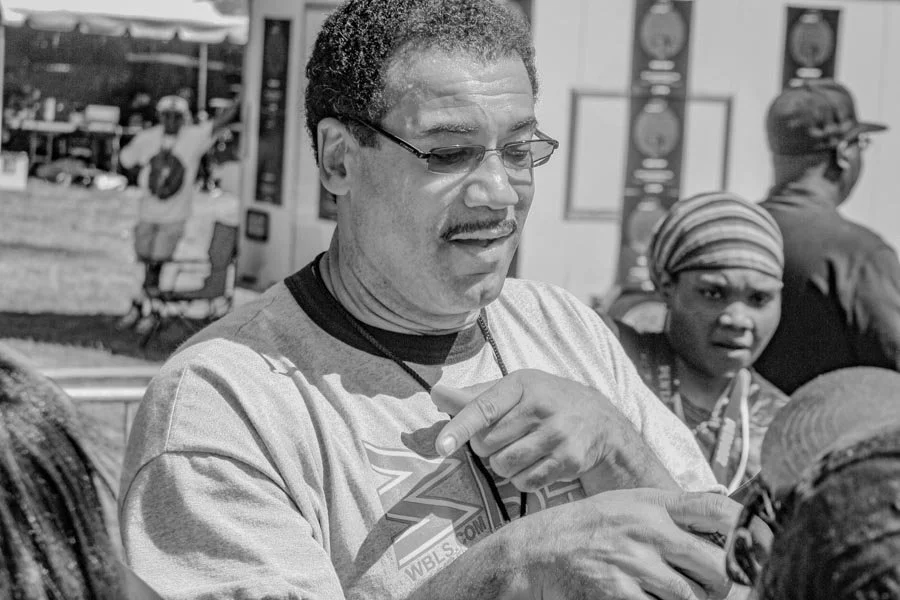
The second sequence widens the record: speakers, crowd scale, lyric references, family, drumming, performance, and quieter moments around the stage.
Brooklyn as Cultural Space
The park was not simply the location. It became part of the memory.
BK Loves MJ shows how a public environment can become a temporary cultural institution.
The stage held speakers and DJs. The field held thousands of people. Trees framed drum circles. Pavement carried handwritten messages. Screens carried music and imagery. Families moved through the crowd.
In that sense, Prospect Park was not merely a backdrop for the photographs.
It was one of the things making the photographs possible.
Brooklyn transformed remembrance into participation.
Brooklyn as Memory Keeper
A global musical legacy became a local cultural ritual.
The photographs preserve music, mourning, celebration, borough identity, visual art, family, DJ culture, dance, and intergenerational connection.
They also preserve the smaller details that large cultural memories often lose first: a handwritten sign, a child above the crowd, a painting in progress, a phone held toward the camera, balloons waiting to rise, and strangers moving together to a familiar song.
“The music was not simply remembered. It was being carried forward.”
That is the larger purpose of BK Loves MJ inside the ZPG Visual Archive.
The event becomes more than entertainment once the photographs begin to function as evidence: evidence of how communities construct cultural memory and how ordinary gestures eventually become history.
One Story · Multiple Relationships
People. Place. Performance. Preservation.
BK Loves MJ remains one canonical Publish feature while connecting to every archive area that genuinely helps explain what the photographs hold.
Everyday People · Black & White
The human record.
Family, faces, gestures, style, signs, movement, memory, and the people carrying the event.
Various Places · The Stage
Performance and public presentation.
DJs, speakers, stage activity, public presentation, sound, screens, and the performance environment.
TWIHHP
Culture carried through practice.
DJing, dance, sampling, musical memory, public gathering, creative reinterpretation, and cultural preservation.
BLINK NY
Brooklyn as a living archive.
New York people, neighborhoods, artists, events, public culture, community, and regional visual memory.
Editorial Credits
