
The Mural Mile: St. Louis Writes on the Floodwall
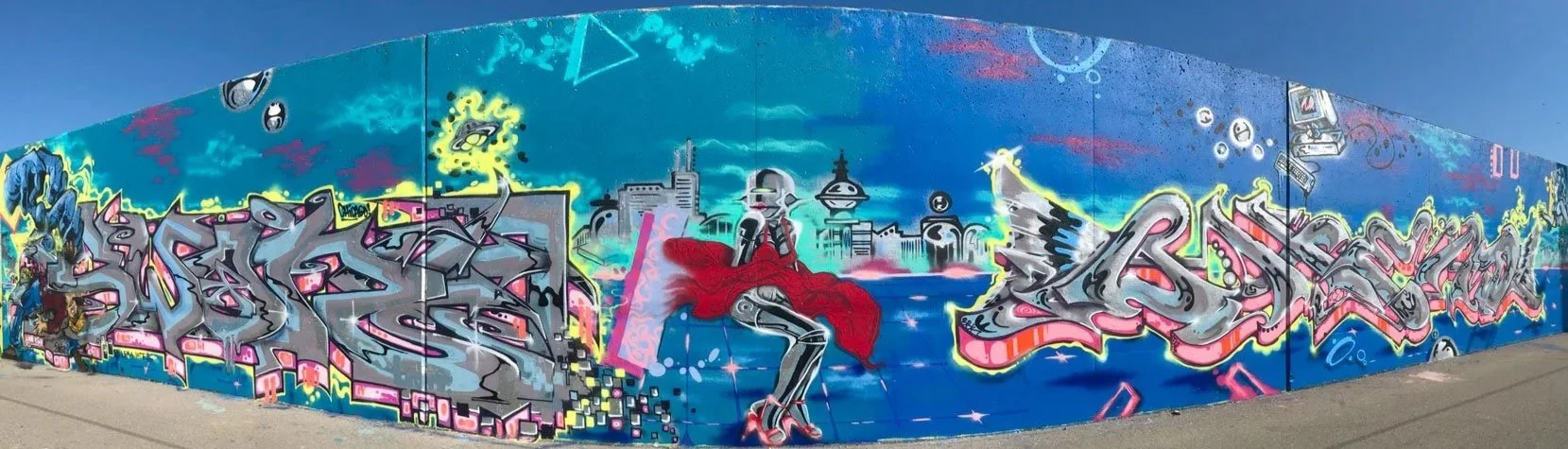


ZPG VISUAL ARCHIVE · ST. LOUIS
The Mural Mile: Art Along the Mississippi
St. Louis Writes on the Floodwall.
A changing public archive of graffiti, style writing, mural painting, hip-hop memory, and creative authorship.
The Story
A floodwall can do more than hold back water.
Along the Mississippi in St. Louis, concrete becomes a changing public archive.
The Mural Mile brings together graffiti, large-scale murals, lettering, portraits, abstract forms, characters, and visual statements connected to the creative culture surrounding Paint Louis.
But what interested me was not only the individual artwork.
The wall itself became the subject.
New work arrives. Older work fades. Sections are painted over. Different artists leave different visual languages behind.
The change is part of the archive.
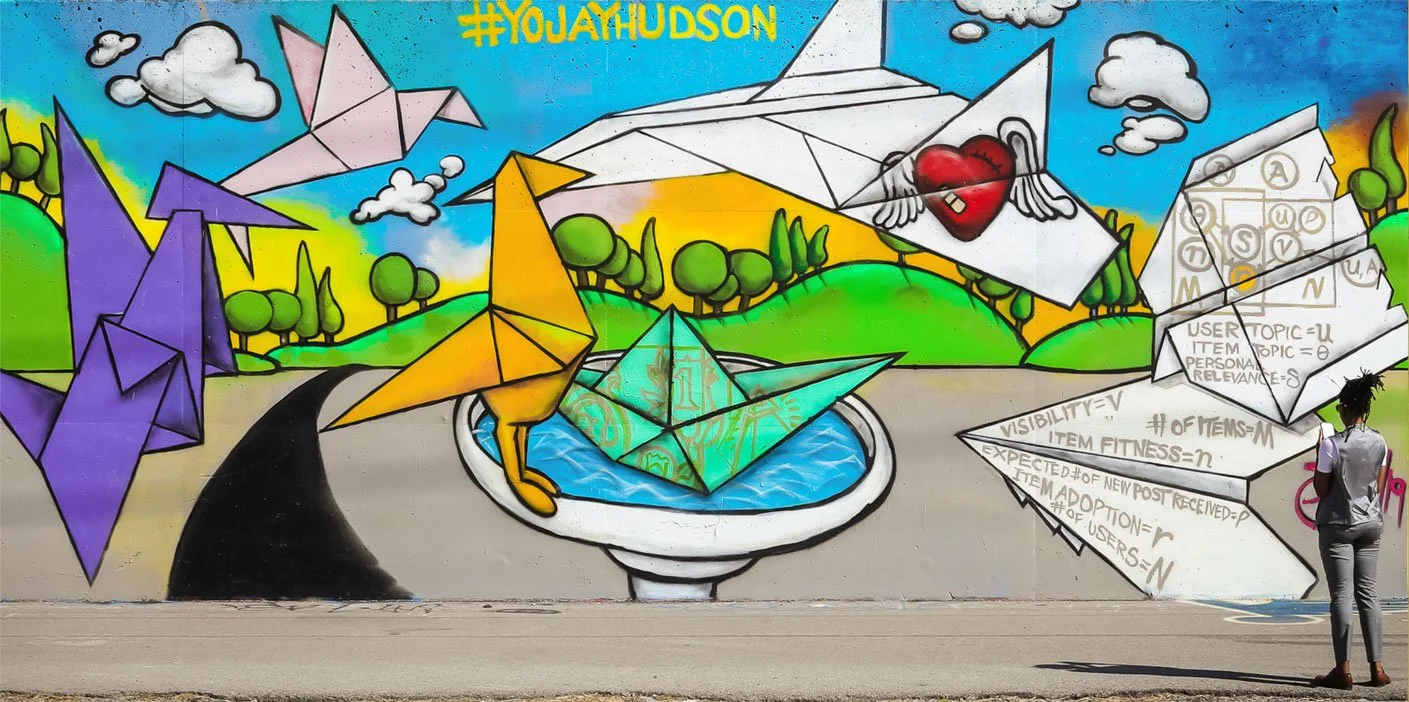
Reading the Frame
Electric color against industrial gray.
The visual palette moves through electric color, industrial gray, river blue, aerosol gradients, weathered concrete, and layered paint.
Those contrasts are part of the atmosphere.
Bright lettering sits against infrastructure built for another purpose. Portraits occupy concrete. Characters appear beside rail lines, utility structures, open land, and the larger St. Louis environment.
The art cannot be separated from the surface carrying it.
The Visual Palette
Color, concrete, weather, and accumulated paint.
The Mural Mile does not operate like a controlled white-wall gallery. Its surface carries age, previous marks, new color, industrial texture, and the evidence of work that existed before.
St. Louis Writes on the Floodwall
The wall never really becomes finished.
A traditional gallery usually works toward preservation through stability.
The Mural Mile preserves culture through change.
New work is added. Older work fades. Paint is weathered. Sections disappear beneath new layers. Authorship changes.
That instability does not weaken the cultural value of the wall.
It is part of what makes the wall worth documenting.
A temporary image can still carry permanent cultural meaning.
The Visual Archive
Lettering. Characters. Portraiture. Public visual language.
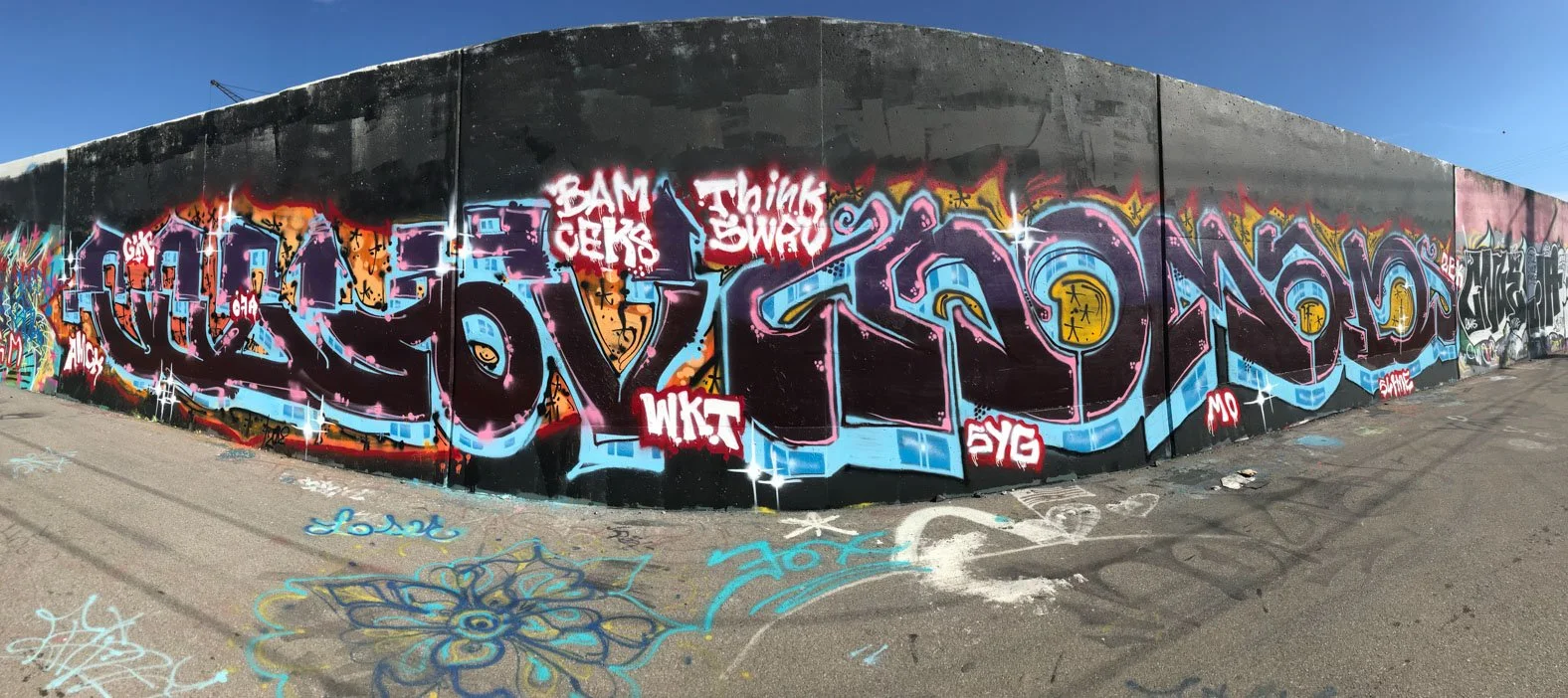
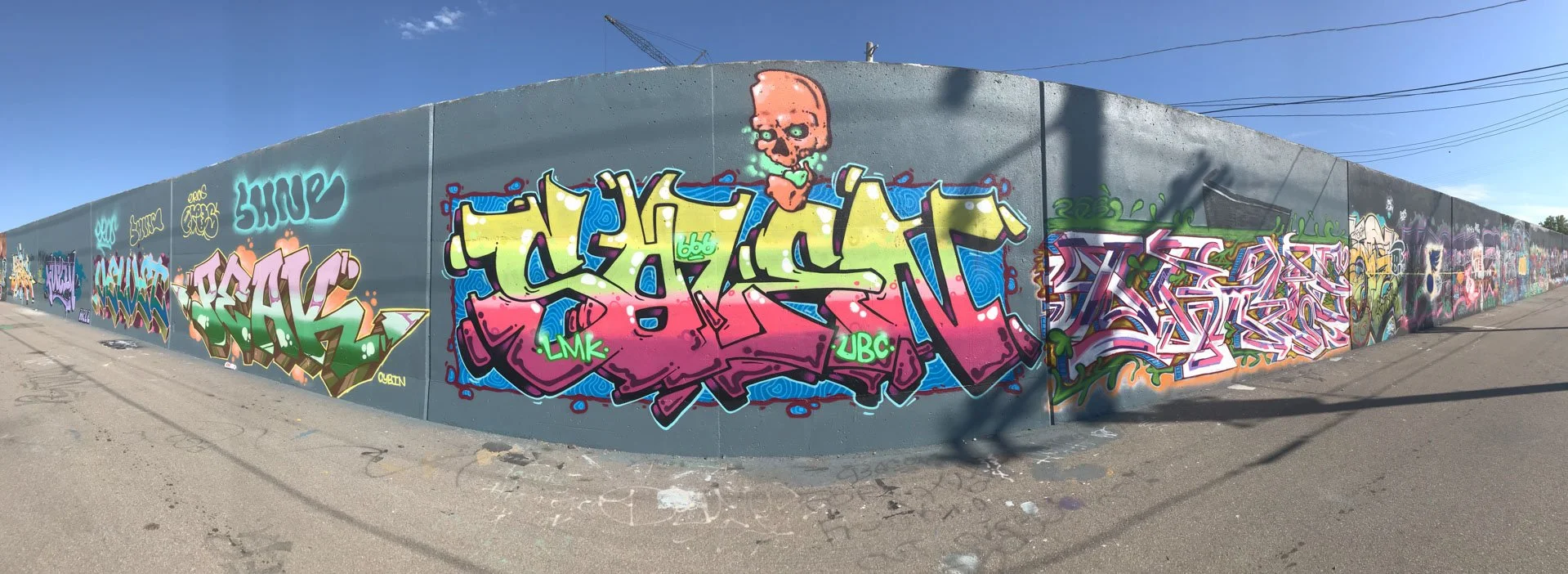
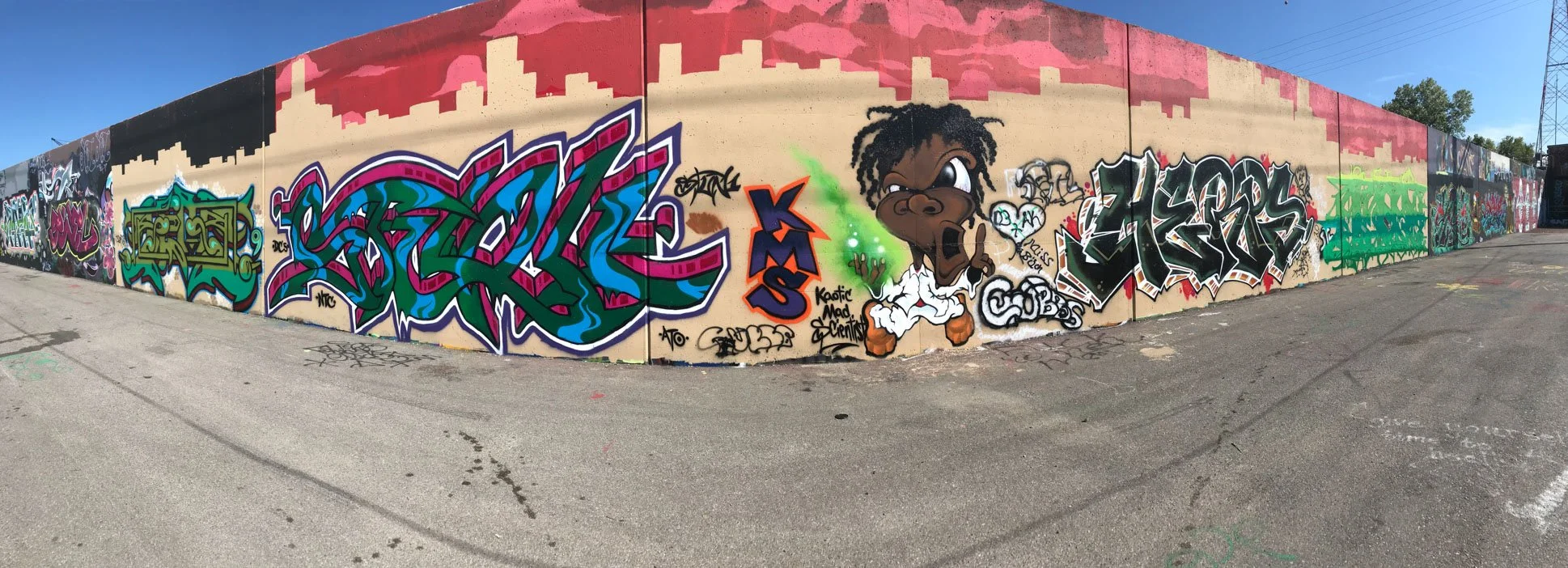
Viewed together, the photographs show more than individual mural highlights. They preserve differences in scale, style, imagery, color, authorship, and the way each production occupies the concrete surface.
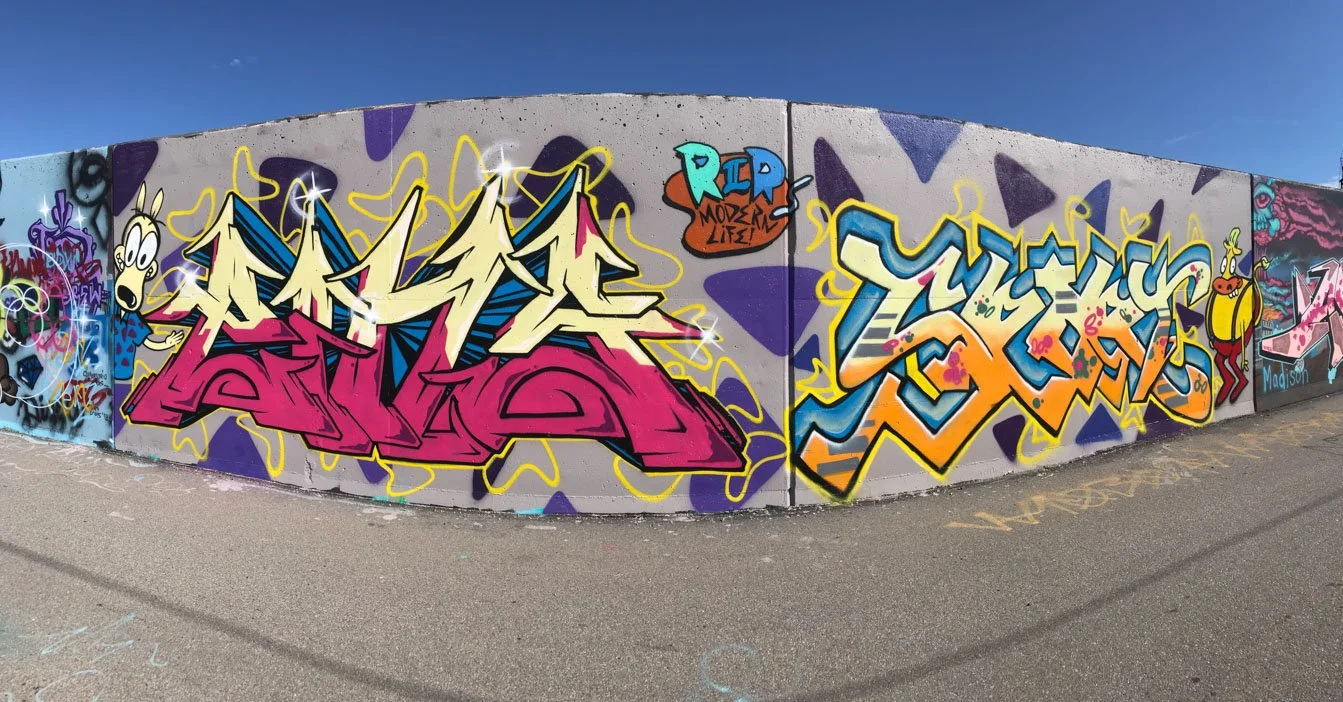
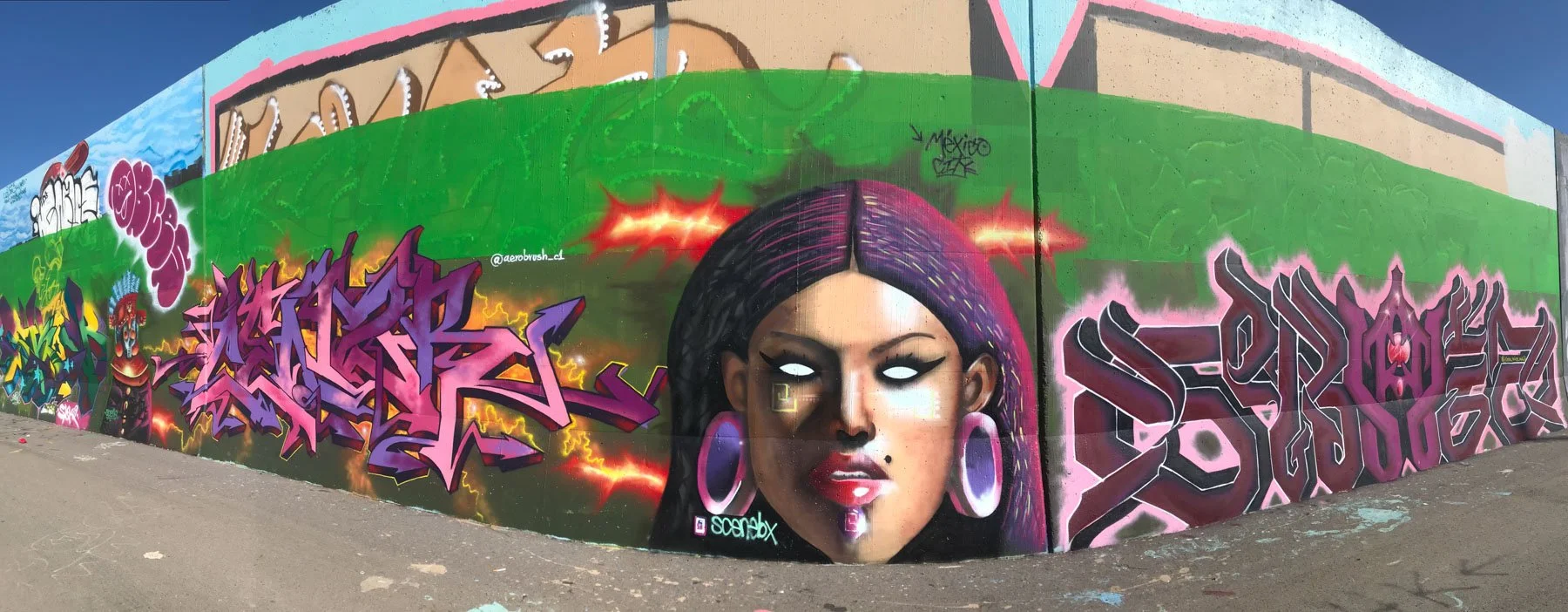
One Story · Multiple Archive Relationships
The feature stays in one place. Its relationships extend across the archive.
The Mural Mile lives as one canonical Publish feature. It can then be surfaced through custom summaries wherever the story is genuinely related: place, visual art, hip-hop preservation, regional documentation, and the broader Interesting Things collection.
The environment.
Floodwall, Mississippi River, industrial infrastructure, St. Louis geography, public space, scale, and atmosphere.
The visual subject.
Public artwork, surfaces, objects, graphic forms, details, visual experimentation, and the things that make us look again.
The artistic language.
Letterforms, portraiture, character design, color, symbolism, aerosol technique, composition, and layered visual language.
The cultural memory.
Style writing, public expression, hip-hop visual history, evolving authorship, and living cultural testimony.
The regional record.
St. Louis artists, neighborhoods, environments, public culture, events, and regional visual memory.
Beyond the Individual Murals
The industrial environment belongs in the story.
When I first photographed the area, it was completely empty.
That gave me the wall and the day to myself.
Instead of moving quickly from piece to piece, I could study the scale and rhythm of the entire environment.
The concrete, rail infrastructure, utility lines, industrial buildings, open land, riverfront setting, and distant city all establish where the artwork actually lives.
Why the Wider Frames Matter
Public art is changed by its surroundings.
The Mural Mile does not exist inside a neutral room.
It is exposed to weather, movement, infrastructure, time, new artists, and the possibility of being replaced.
Those conditions are not distractions from the archive.
They are part of it.
TWIHHP · Public Writing as Cultural Memory
The wall is also evidence of hip-hop’s visual language.
Through TWIHHP, the Mural Mile can be read as more than public decoration.
Style writing, lettering, aerosol technique, characters, names, visual signatures, and the act of claiming public surface all belong to a larger cultural history.
That history does not remain fixed.
Writers develop. Styles change. New generations arrive. Surfaces are repainted. The visual vocabulary expands.
Preservation does not require the wall to stop changing.
It requires somebody to notice what was there before the next layer arrives.
Zire’s Perspective
Documentation gives the present a future.
For me, documentation begins with observation before presentation.
I am not only photographing the brightest piece or the most recognizable image.
I am studying how the artwork occupies space, how one production sits beside another, how concrete shows through paint, how scale changes from a distance, and how the larger environment frames the visual language.
A mural may eventually disappear.
The photograph can continue preserving its color, composition, texture, scale, location, and place within a particular moment.
“Observe deeply. Understand clearly. Create intentionally. Preserve faithfully. Leave a legacy.”
A Living Cultural Archive
The wall changes. The record remains.
The Mural Mile is not valuable because every image remains forever.
Its value is partly found in the opposite condition.
It changes.
One artist follows another. One layer becomes the foundation for the next. Weather leaves evidence. Color fades. New color returns.
The wall keeps writing and rewriting itself.
“Documentation gives the present a future.”
Photography cannot stop public art from changing.
It can preserve what existed between those changes.
That is where the photograph becomes archive.
Continue Through the Archive
Follow the place, the culture, the art, and St. Louis memory.
The Mural Mile is one Publish feature with several genuine archive relationships: Various Places, Interesting Things, Visual Art, TWIHHP, and BLINK STL.
Various Places
Follow the place.
Landscapes, cities, architecture, night environments, stages, skies, and the spaces where culture happens.
Interesting Things
Follow the visual subject.
Nature, architecture, visual art, objects, details, experimentation, and unusual visual relationships.
Visual Art
Follow the art.
Color, form, public art, character, abstraction, composition, and visual experimentation.
TWIHHP
Follow the cultural memory.
Hip-hop history, style writing, cultural memory, artists, public space, and living testimony.
BLINK STL
Follow St. Louis.
Artists, neighborhoods, public culture, environments, people, events, and regional visual memory.
Editorial Credits
